
As the weather warms up in May, many homeowners start thinking about how to keep their home cool and comfortable through the summer. Most people look at their air conditioner, blinds, fans, or curtains first, but your windows play a major role in how much heat enters your home.
If certain rooms feel too hot in the afternoon, your upstairs bedrooms are uncomfortable, or your air conditioner seems to run constantly, your window glass may be part of the problem. Choosing the right Low-E glass can help reduce unwanted summer heat, improve comfort, and make your home easier to enjoy during the hottest months of the year.
Why Summer Heat Comes Through Windows
Windows bring in natural light, but they can also bring in solar heat. This is especially noticeable on south-facing and west-facing windows that receive direct sunlight for long periods of the day.
In the summer, too much solar heat gain can make rooms feel warmer than the rest of the home. It can also make your air conditioner work harder to maintain a comfortable temperature. This is why choosing energy-efficient windows is not just about keeping heat inside during the winter. It is also about blocking unwanted heat during the summer.
What Low-E Glass Does
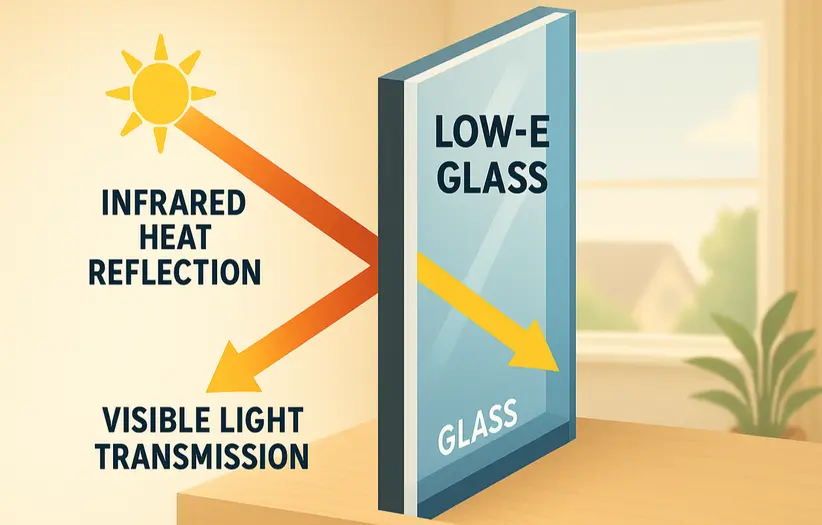
Low-E glass is designed to help control how heat moves through your windows. Different Low-E coatings perform in different ways. Some options allow more solar heat into the home, while others are designed to block more of the sun’s heat.
Dayside offers Low-E glass options such as LowE8071, LowE7036, and LowE6227. LowE8071 is the clearest Low-E option and allows more solar heat through the glass. This can be useful in certain winter-focused situations where homeowners want free heat from the sun. However, during the summer, windows that receive direct sunlight may benefit from stronger solar heat blocking.
For homeowners focused on keeping their home cooler in the summer, LowE7036 or LowE6227 may be better suited for windows exposed to direct sunlight. These options help reduce unwanted heat gain, which can improve comfort during air conditioning season.
Match the Glass to Each Side of Your Home
One of the most important things homeowners should know is that not every window in the house needs the same glass package.
A west-facing bedroom window that gets hot afternoon sun has different needs than a shaded basement window. A large south-facing living room window may need stronger solar control than a small north-facing window. A kitchen window, bathroom window, patio door, and second-floor bedroom may all perform differently in the summer.
Instead of choosing one standard option for every window, it can be helpful to choose glass based on sunlight exposure. South-facing and west-facing windows often need the most attention because they can receive strong direct sun during the warmer months. Choosing the right Low-E glass in these areas can help reduce overheating and make your home feel more balanced.
Focus on the Rooms That Get Too Hot
If you are planning replacement windows, start by thinking about which rooms become uncomfortable in the summer.
Common problem areas include upstairs bedrooms, home offices, kitchens, living rooms with large windows, and rooms that face west. These spaces can heat up quickly during the day and often stay warm into the evening.
Choosing better solar-control glass in these areas can make a noticeable difference. It can help reduce hot spots, improve comfort, and make it easier to enjoy the rooms you use most. This is especially helpful for families who work from home, spend more time indoors during the day, or want bedrooms to stay cooler at night.
Do You Need Triple Glazing for Summer?
Triple glazing can provide added insulation, but it is not always necessary for every window, especially when the main goal is summer comfort. In many cases, choosing the right double-glazed Low-E package can provide strong performance while keeping windows easier to use and service.
This matters for sliders, hung windows, patio doors, very large windows, and windows installed high above the floor. Triple glazing adds extra weight, which can make some windows and doors harder to operate. For summer heat control, the right Low-E coating can often be more important than simply adding more glass.
Think About Window Treatments
Blinds, curtains, and shades can help block sunlight, but they can also trap heat if they sit too close to the glass. When heat builds up between the glass and the window treatment, it can create extra stress on the window.
To help protect your windows, leave space for air to circulate between the glass and your blinds, curtains, or shades. This is especially important on windows that receive direct sunlight in the summer. Choosing the right Low-E glass and allowing proper airflow around window treatments can help reduce heat buildup and support long-term window performance.
Window Style Can Help Too
Glass choice is important, but window style can also improve everyday comfort. One example is the kitchen sink window.
Many homes have a slider, hung window, or two-panel casement above the sink. These styles can work, but they often have a bar in the middle that blocks part of the view. An awning window can be a great option because it gives you a clearer, more open view while standing at the sink.
Awning windows are also practical for summer ventilation. Since they open outward from the bottom, they can often be left open during light rain while still allowing fresh air into the home. When closed, they also provide strong air tightness, helping keep conditioned air inside.

Choose Windows for Summer Comfort
The best replacement windows are chosen based on how your home feels in real life. If your goal is to reduce summer heat, improve comfort, and help your home stay cooler during air conditioning season, focus on the windows that receive the most direct sun.
By choosing the right Low-E glass, considering window direction, allowing airflow around window treatments, and selecting practical window styles, homeowners can make smarter decisions for summer comfort.
A thoughtful window plan can help reduce overheating, improve energy efficiency, and make your home more comfortable through the hottest months of the year.